Before the outbreak
Years of visible warning signs preceded the crisis: hepatitis C, overdose, unstable housing, untreated trauma, and a community with too few places to turn.
Author · Physician · Community advocate
William Cooke writes and speaks about rural America, addiction, faith, public health, and what becomes possible when a community chooses compassion over stigma.
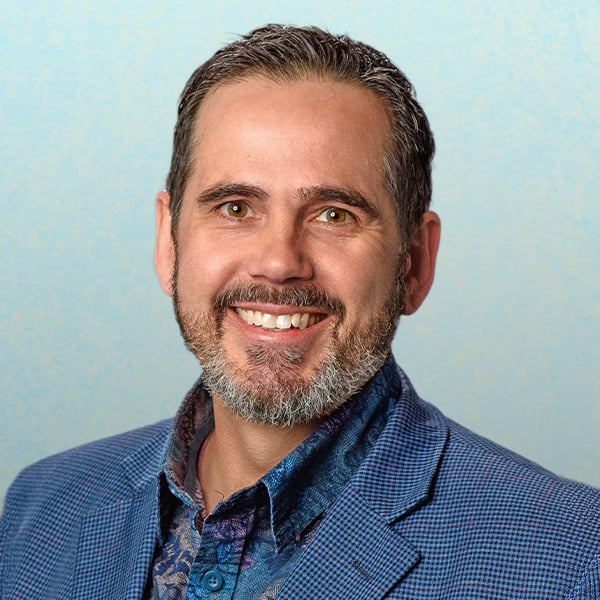
Our success came from providing access to hope and opportunity to everyone—regardless of what anyone thought of them—in a way that felt safe.”
— William Cooke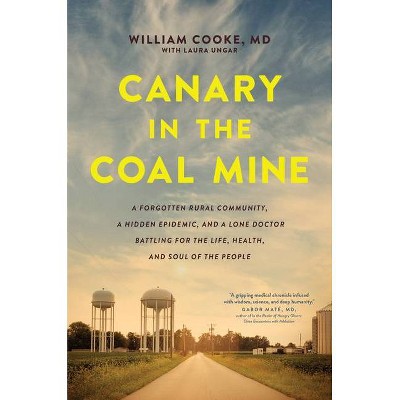
The book
A Forgotten Rural Community, a Hidden Epidemic, and a Lone Doctor Battling for the Life, Health, and Soul of the People
Published by Tyndale House Publishers.
In 2015, Austin, Indiana—a town of about 4,300 people—became the center of the worst drug-fueled HIV outbreak in U.S. history. William was the town’s only physician. The book tells what he witnessed, what the community endured, and how both were changed.
It is a story about poverty and addiction, but it is equally a story about belonging: who is seen, who is ignored, and what care looks like when it refuses to give up on people.
Stories at the center
The people in Canary in the Coal Mine are not examples or abstractions. Their lives reveal how trauma, poverty, policy, love, and human choice overlap—and how easily systems mistake survival for failure.
Years of visible warning signs preceded the crisis: hepatitis C, overdose, unstable housing, untreated trauma, and a community with too few places to turn.
Care begins with listening closely enough to understand what a diagnosis cannot explain—then staying present when shame and fear make trust difficult.
A response becomes meaningful when short-term attention turns into durable access, shared responsibility, and choices people can actually use.
Patient stories are shared only with careful attention to consent, context, dignity, and the difference between explaining a life and exposing it.
Work & advocacy
William’s work sits at the intersection of medicine and the conditions that shape whether people can be well: housing, transportation, trauma, stigma, trust, and access to practical help.
Integrated family medicine, addiction treatment, HIV and hepatitis C care, behavioral health, and maternal-health access for people whose needs rarely fit neatly inside one system.
Building local partnerships that turn referrals into usable care and strengthen the people and organizations already trusted by their communities.
Speaking and writing about rural health, the opioid and HIV epidemics, faith without exclusion, and the policies that determine who is offered help in time.
Talks, interviews & writing
Conversations about the lessons of Austin, the systems that failed, and the community response that followed.
Selected CV
Family physician, addiction-medicine physician, author, and public health advocate working in underserved rural communities.
Indiana University Southeast
Bachelor of Arts · 1994 · Master of Arts · 1995
Indiana University School of Medicine
Doctor of Medicine, honors · 2001
IU Health Ball Memorial Hospital
Family Medicine Residency · 2004
Board certified in Family Medicine and Addiction Medicine
Fellow, American Academy of Family Physicians
Fellow, American Society of Addiction Medicine
Inquiries
Use this form for speaking invitations, interviews, book events, writing, or thoughtful collaborations related to rural health, addiction, HIV, health equity, faith, and community change.
This form is not monitored for medical needs or emergencies. Please do not include medical records, patient information, or other confidential health information.